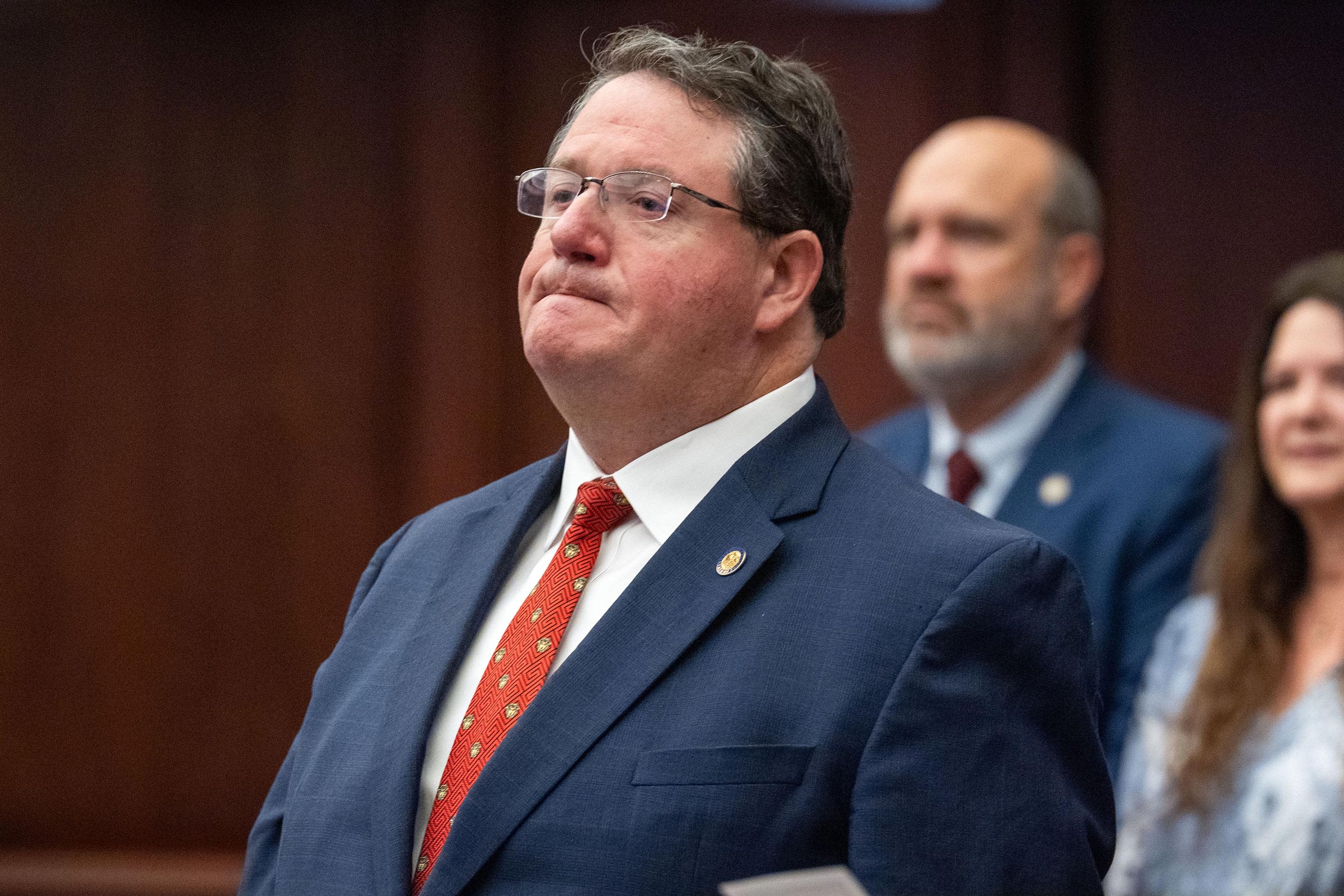
In a move that has already sparked heated debate across the United States, Congressman Randy Fine (R-FL) has introduced a bold and controversial bill that promises to overhaul the welfare system as we know it. The proposed legislation would eliminate all welfare benefits, including SNAP (Supplemental Nutrition Assistance Program), Medicaid, and Section 8 housing assistance, for non-citizens. This sweeping measure could significantly change the way millions of Americans view the relationship between citizenship, government support, and the economy.
A Deep Dive into the Proposal
The bill put forward by Fine is clear in its intention: no benefits for non-citizens. This includes individuals who have entered the country legally on work or student visas, as well as those who have applied for asylum. The bill excludes only U.S. citizens from receiving these benefits, arguing that taxpayer funds should be reserved for those who contribute directly to the nation’s tax system.
At its core, this bill represents a sharp break from current welfare policies, which extend certain benefits to immigrants, both legal and undocumented, in various forms. For example, the current system allows legal immigrants to access some welfare programs after a waiting period, while undocumented immigrants are often limited to emergency medical care and food assistance. Fine’s bill, however, proposes a complete exclusion of non-citizens from programs that are meant to alleviate poverty and provide a basic safety net for the most vulnerable members of society.
The Supporters: Advocating for Taxpayer Dollars to Stay Within the U.S.
Supporters of the bill argue that non-citizens should not be entitled to government-funded assistance. They claim that taxpayer dollars should be allocated solely to citizens, and that by providing benefits to non-citizens, the country is encouraging dependency on the state without a reciprocal contribution to the economy.
Some proponents go even further, asserting that the bill is a necessary step toward controlling the rising costs of welfare programs, which they argue are being strained by an influx of non-citizens who are not contributing to the nation’s tax base. They believe that the bill would ensure that these resources are more effectively used to support American citizens, particularly those who have lived and worked in the country for years.
“I believe that if you’re not a citizen, you shouldn’t have access to taxpayer-funded programs,” says one vocal supporter of the bill. “This country is built on the backs of hardworking citizens, and we should ensure that our resources are going to those who have earned them.”
The Opposition: Concerns About Economic and Human Costs
On the other side of the debate, critics of the bill argue that it could have devastating consequences for millions of people who rely on welfare programs to survive. These individuals include legal immigrants, refugees, and asylum seekers, many of whom have come to the United States in search of a better life, only to find themselves in need of assistance to make ends meet.
One of the primary concerns among opponents of the bill is the potential economic impact. Welfare programs like SNAP, Medicaid, and Section 8 housing assistance are designed to help individuals and families stay out of poverty and contribute to the broader economy. Without these programs, many non-citizens may be forced to rely on emergency assistance, local charities, or even become homeless, creating additional strain on local and state resources.
“Many immigrants contribute significantly to our economy through taxes, labor, and business investments,” says Dr. Maria Sanchez, an economist who has studied the impact of immigrant labor on the U.S. economy. “Cutting off these individuals from essential services could ultimately undermine the stability of our economy, leading to higher healthcare costs, an increase in homelessness, and greater economic inequality.”
In addition to the economic concerns, opponents of the bill point to the human cost of such drastic measures. Non-citizens make up a significant portion of essential workers in industries like agriculture, construction, and healthcare. By denying them access to welfare benefits, Fine’s bill could further exacerbate the already tenuous situation for many immigrant families.
“Imagine being a single mother working two jobs just to survive, and then being told you can’t get help with healthcare or food assistance simply because you’re not a U.S. citizen,” says activist Carmen Rodriguez, whose organization advocates for immigrant rights. “This bill would force thousands of families into a desperate situation.”

The Legal and Constitutional Questions
As with any sweeping policy change, Fine’s bill also raises serious legal and constitutional questions. Several legal experts have warned that the bill could violate the constitutional rights of non-citizens, particularly those who are legally in the country. Under the U.S. Constitution, all individuals within the country, regardless of citizenship status, are guaranteed certain protections under the law. This includes the right to life, liberty, and the pursuit of happiness.
One major concern is the potential for discrimination. Critics argue that the bill could disproportionately affect certain groups, particularly low-income immigrants who rely on welfare to survive. This, they argue, could violate anti-discrimination provisions under both federal and state law.
In addition, there are concerns that the bill could lead to further polarization of the public debate around immigration and welfare. Some experts fear that the bill could set a dangerous precedent for exclusionary policies that target non-citizens, potentially undermining efforts to create a more inclusive and equitable society.
The Impact on Immigrants and Communities
The bill’s potential impact on immigrant communities is significant. For many non-citizens, welfare programs like SNAP, Medicaid, and Section 8 housing are essential lifelines that allow them to maintain their health, feed their families, and stay in safe, affordable housing. Denying access to these programs would have immediate and far-reaching consequences.
For example, many immigrants work in low-wage jobs without access to employer-sponsored healthcare. Without Medicaid, these workers would be left without access to affordable healthcare, which could lead to greater health disparities and higher rates of preventable diseases. Similarly, cutting off food assistance for non-citizens would disproportionately affect children, the elderly, and other vulnerable populations, leading to increased food insecurity and poor health outcomes.
Moreover, non-citizens, particularly those who are undocumented, often work in industries that are essential to the functioning of the U.S. economy. From agriculture to construction, immigrants make up a significant portion of the workforce. Denying these workers access to housing and healthcare could have a ripple effect, harming both the individuals affected and the broader economy that relies on their labor.

What Are the True Costs of This Proposal?
While Fine’s bill may have some supporters who view it as a necessary step toward fiscal responsibility, the true economic and human costs of this proposed ban are profound. The immediate consequences would likely include higher rates of homelessness, increased pressure on local charities and emergency services, and a spike in food and healthcare insecurity. In the long run, the bill could erode trust in government institutions and fuel further division within the country.
Additionally, by excluding non-citizens from access to essential services, the U.S. risks losing the valuable contributions that immigrants make to the economy and society. Whether it’s through their labor, entrepreneurship, or tax contributions, non-citizens play a critical role in driving the country forward. To sever that connection could have lasting repercussions, both for the individuals affected and for the broader U.S. economy.
Conclusion: A Complex and Controversial Debate
The introduction of Congressman Randy Fine’s bill is more than just a policy change—it is a seismic shift in the national conversation about welfare, immigration, and citizenship. While the proposal seeks to restrict welfare access to non-citizens, its implications are far-reaching, touching on economic, legal, and social concerns that will shape the future of the U.S.
As the debate continues, lawmakers, advocates, and citizens alike must weigh the economic realities of the proposal against the human costs it could impose on millions of people. This bill represents a crossroads for the nation—a moment that will determine how the U.S. approaches the intersection of welfare, immigration, and its future as a global leader.
As the legislative process unfolds, it is crucial to keep these broader implications in mind, ensuring that any policy change serves both the immediate needs of the nation and the long-term well-being of all its residents—citizens and non-citizens alike.