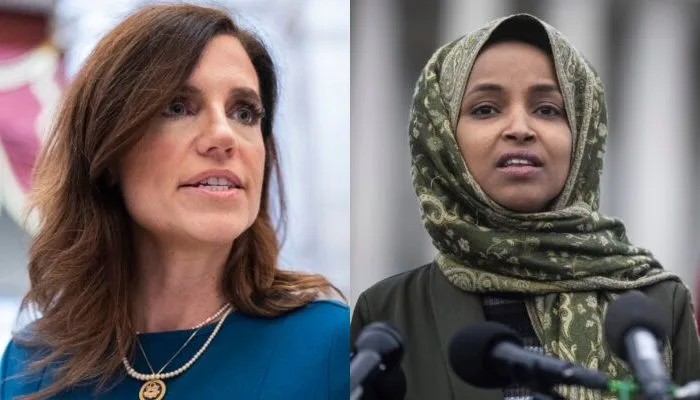
Washington, D.C. — A heated political dispute between Republican Representative Nancy Mace of South Carolina and Democratic Representative Ilhan Omar of Minnesota has recently captured national attention, centering on questions of congressional decorum, citizenship, and political accountability. This article outlines the key developments, responses, and factual context surrounding the controversy as reported by major news outlets.
Background: Who Are the Lawmakers Involved
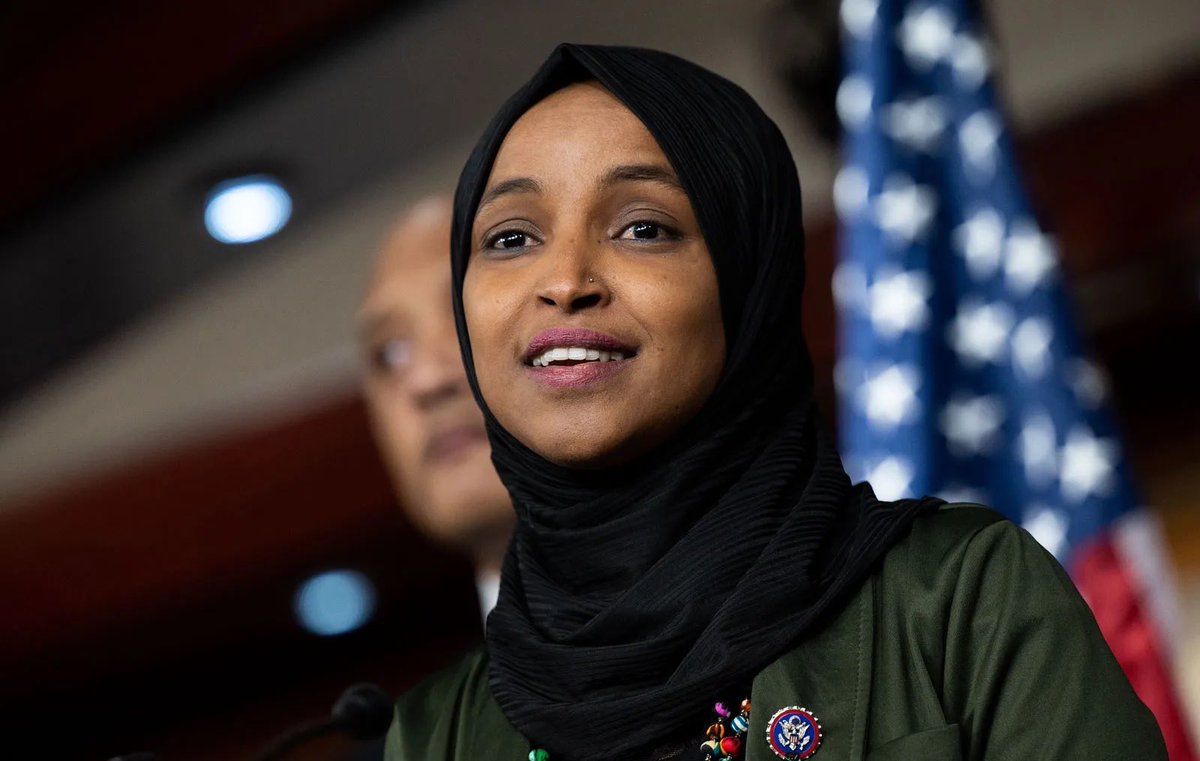
Ilhan Omar is a Somali‑born American lawmaker, first elected to the U.S. House in 2018. She is the first Somali‑American and one of the first Muslim women to serve in Congress. Omar came to the United States as a refugee in the 1990s and became a naturalized U.S. citizen in 2000. Throughout her tenure, she has been a vocal critic of certain U.S. foreign policies and domestic issues, drawing both support and criticism from across the political spectrum.
Nancy Mace, a Republican representing South Carolina, has emerged in recent years as a combative critic of progressive Democrats, frequently using social media to amplify her positions. She is also running for governor of South Carolina in 2026.
The Spark: Comments After the Death of a Conservative Commentator
The current flashpoint began after Omar made remarks in an interview following the assassination of conservative commentator Charlie Kirk, in which she discussed his legacy and controversial statements. Some conservatives, including Mace, interpreted her comments as dismissive or offensive, sparking calls for consequences from the GOP side.
Mace introduced a resolution aimed at censuring Omar and removing her from committee assignments, accusing her of celebrating or excusing Kirk’s death. CBS, PBS, and other outlets reported that the House ultimately tabled the censure resolution in a close vote, with a small group of Republicans joining Democrats to block it.
Escalation: Calls to Review Citizenship and Immigration Records
In January 2026, Mace attempted to escalate the dispute by pushing the House Oversight Committee to issue subpoenas for Omar’s immigration and naturalization records, alongside those of individuals in her family, in connection with broader allegations of fraud in Minnesota. These allegations include longstanding rumors — widely reported but unproven — about Omar’s past marriages and whether they had any bearing on her naturalization process.
The committee ultimately set aside the subpoena motion, with members from both parties arguing that immigration and citizenship issues should be handled through proper legal channels rather than congressional politics.
What the Records Say
It is a matter of public record that Ilhan Omar became a U.S. citizen in 2000, nearly two decades before her first election to public office. Citizenship in the United States can only be revoked through a legal process called denaturalization, and federal law requires proof of intentional fraud or material misrepresentation in the naturalization process — a high legal standard that has not been met in Omar’s case.
Responses and Rebuttals
Omar has repeatedly denied any wrongdoing regarding her citizenship or naturalization. She has characterized the allegations as politically motivated attacks rather than legitimate legal inquiries. In exchanges on social media, she has defended her record and rebuffed Mace’s assertions.
The broader conversation around this dispute has drawn condemnation from legal experts and civil rights advocates, who note that targeting an elected official’s citizenship without evidence can foster division and echo historical efforts to delegitimize naturalized citizens. Denaturalization is rare and subject to strict judicial oversight.
Lawmakers Weigh In
The controversy has not been confined to these two members of Congress. Other Republican lawmakers have joined the push for scrutiny, calling on the Department of Justice to investigate allegations related to naturalized citizens generally, though legal analysts emphasize the difficulty of mounting successful denaturalization cases.
On the Democratic side, many lawmakers have defended Omar, framing the dispute as part of a broader pattern of partisan attacks against progressive members and immigrant politicians.
Legal and Political Context
It is important to distinguish between political rhetoric — including calls by public officials for accountability or criticism — and legal action. Under U.S. law, no sitting member of Congress can be “deported” unless their citizenship is legally rescinded through a court process, which itself requires clear proof of fraud or intentional deception at the time of naturalization.
Calls by elected officials for another member’s removal from office, censure, or committee removal are part of the political process and are governed by congressional rules and procedures. Proposals to strip a member of citizenship or deport them are not supported by current law and have not been advanced as viable legal actions in this case.
Broader Implications
The dispute between Mace and Omar reflects deep partisan polarization in Washington. It also highlights how questions of identity, nationality, and allegiance continue to play a role in American politics, particularly when tied to larger national debates over immigration and national security.
Observers point out that controversies surrounding public figures’ citizenship status have historical echoes — most prominently the “birther” controversy targeting President Barack Obama — and can distract from substantive policy discussions.
In summary, the clash between Representatives Nancy Mace and Ilhan Omar is a high‑profile fight rooted in political disagreement and personal rhetoric. While calls for accountability are part of democratic debate, suggestions of deportation or stripping citizenship of a naturalized U.S. lawmaker — without legal basis — raise significant legal and ethical questions.