Minneapolis–Saint Paul, MN — January 2026 — Minnesota has become the center of a fierce national controversy as federal authorities allocate thousands of immigration enforcement officers to the state amid allegations of widespread welfare fraud and rising tensions over immigration policy. The operation, known within government circles as Operation Metro Surge, has ignited fierce political debate, legal challenges, and public unrest.
A Surge in Federal Enforcement
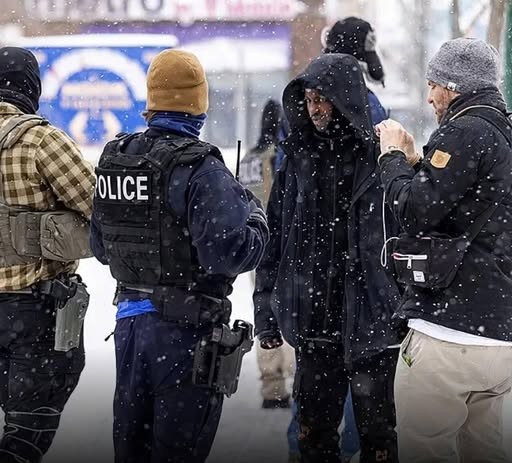
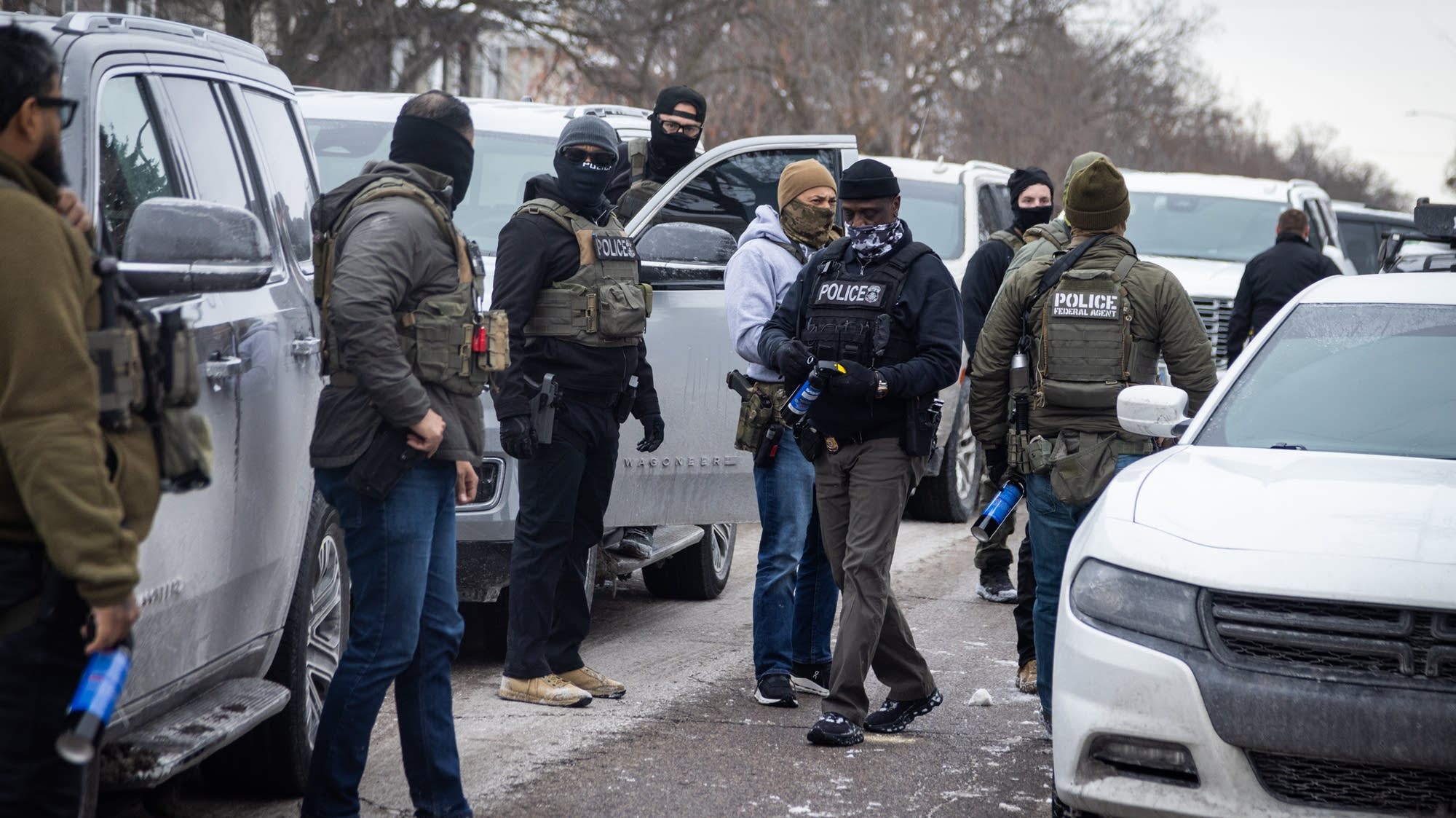
In late 2025 and early 2026, the U.S. Department of Homeland Security (DHS), including Immigration and Customs Enforcement (ICE), Customs and Border Protection, and other federal agents, significantly expanded its presence in Minneapolis and the surrounding Twin Cities. According to government sources, this build‑up — involving roughly 2,000 federal agents — was part of an enforcement surge aimed at identifying and arresting individuals who are in the country unlawfully and suspected of involvement in criminal networks and alleged welfare fraud.
Federal officials framed this deployment as the “largest immigration enforcement operation ever carried out in Minnesota,” with DHS emphasizing its focus on criminal activity, drug trafficking, and suspected fraud tied to public assistance programs.
Allegations of Fraud and Federal Focus
Government investigators asserted that Minnesota had seen significant misuse of social services and welfare benefits — including billions of dollars in potential fraud across services such as Medicaid, food assistance, and housing aid — stretching back several years. These allegations gained national attention after social media content raised questions about funding and oversight of certain childcare centers, particularly those linked to Minnesota’s large Somali‑American community.
Homeland Security Secretary Kristi Noem publicly described a “massive investigation” into childcare and other fraud schemes, with some federal agents reportedly going door‑to‑door at suspected sites.
However, critics caution that while fraud investigations may be legitimate, they should be conducted with careful respect for civil rights and legal process — concerns heightened by the scale and visibility of the federal operation.
A Fatal Shooting and Rising Tensions
The federal surge took a tragic turn on January 7, 2026, when Renée Nicole Good, a 37‑year‑old American citizen, was shot and killed by an ICE agent during an enforcement action in Minneapolis. Federal authorities claimed the agent opened fire after Good allegedly struck the officer with her vehicle, describing the shooting as an act of self‑defense.
State and local leaders, eyewitnesses, and some civil rights groups disputed the federal account, arguing that the shooting raised serious concerns about the tactics and rules of engagement employed by immigration agents. The incident quickly became a focal point for national coverage and sparked widespread outrage, including protests across Minneapolis and beyond.
In response to the killing, Minnesota and Illinois filed a federal lawsuit seeking to block aspects of the federal operation, contending that the surge of immigration agents was unconstitutional and politically motivated. Among their demands were that federal agents be required to wear identifiable badges and body cameras and respect state legal boundaries.
Public Reaction: Protest and Pushback
The enforcement actions and the controversial shooting have deepened divisions in Minnesota and across the country.
Supporters of the federal operation frame it as necessary to uphold the rule of law, reduce criminal activity, and address alleged misuse of taxpayer funds. They argue that robust federal action is justified where state and local leadership has been perceived as reluctant to enforce immigration law fully.
Opponents, however, decry the scale and methods of the enforcement surge, calling it an overreach of federal authority and an intimidation tactic that erodes civil liberties. Many local residents — including immigrant communities — have reported fear and unease amid the heightened federal presence, and some Minneapolis schools even shifted to remote learning amid the unrest.
Polling released in mid‑January showed a growing national backlash against U.S. Immigration and Customs Enforcement, with majorities of Americans expressing disapproval of the agency’s tactics amid the Minneapolis surge, especially following Good’s death. Critics from both sides of the political spectrum argue that the handling of the situation could shape public opinion and have implications for upcoming elections.

Legal and Political Fallout
The Justice Department’s refusal to open a federal civil rights investigation into the shooting has itself resulted in controversy and internal dissent. Several federal prosecutors reportedly resigned in protest, citing concerns about the Justice Department’s approach to civil rights enforcement in the case.
Governor Tim Walz and Minneapolis Mayor Jacob Frey — both Democrats — have been vocal critics of the federal enforcement surge, accusing the Trump administration of using the operation to score political points and undermine sanctuary policies. The governor has even announced he will not seek a third term, in part due to the political pressure and turmoil surrounding the enforcement actions.
Meanwhile, federal officials, including Vice President J.D. Vance, have stood firmly behind the ICE agent involved in the shooting, framing the encounter as a tragic but justifiable act executed in the line of duty.
Community and National Impact
The Minnesota surge has disrupted daily life in several communities. Reports of ICE agents detaining individuals at local establishments — including businesses — have fueled concerns about public safety and economic impact. Some families say they now live in fear of routine daily activities, while immigrant rights advocates describe the situation as a climate of intimidation rather than enforcement.
Educational institutions, local leaders, and civil society groups have mobilized to organize walkouts, rallies, and calls for de‑escalation. A growing coalition of advocacy organizations is calling for Congress to step in to clarify the scope and limits of federal immigration enforcement authority on U.S. soil.
Looking Ahead: Law, Order, and Politics
As the nation watches Minnesota, the conflict underscores broader debates over immigration enforcement, federal authority, state sovereignty, and civil rights.
For supporters of strict immigration policy, the Minnesota mobilization is a demonstration that federal power can be harnessed to confront illegal immigration and alleged systemic fraud. For critics, it represents a dangerous escalation that risks civil liberties and social cohesion.
Whatever the outcome of the ongoing legal battles and investigations, the events in Minnesota are likely to reverberate far beyond state lines. They may influence future policy decisions in Washington, legislative actions in state capitols, and public attitudes toward immigration — an issue that remains deeply divisive in American politics.