In the hallowed halls of the Rayburn House Office Building, the air usually carries the weight of measured bureaucracy and choreographed political theater. However, a recent session of the House Judiciary Committee shattered that calm, offering a visceral look at the deepening chasm between federal investigators and the politicians they are tasked with scrutinizing.
Freshman Representative Brandon Gil, a Republican from Texas whose political identity is deeply intertwined with his loyalty to Donald Trump, stepped into the spotlight with a clear mission. He aimed to dismantle the credibility of former Special Counsel Jack Smith, focusing on the aggressive tactics used to obtain the phone records of top Republican officials.

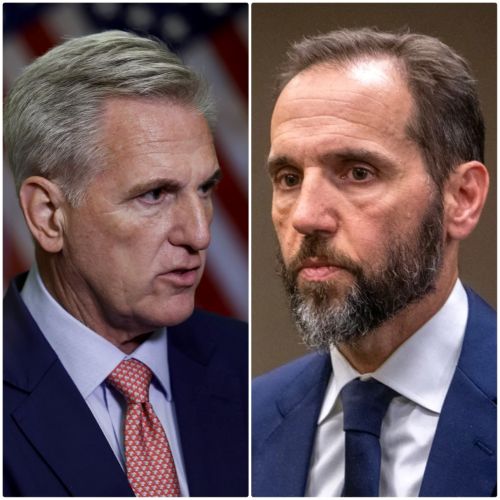
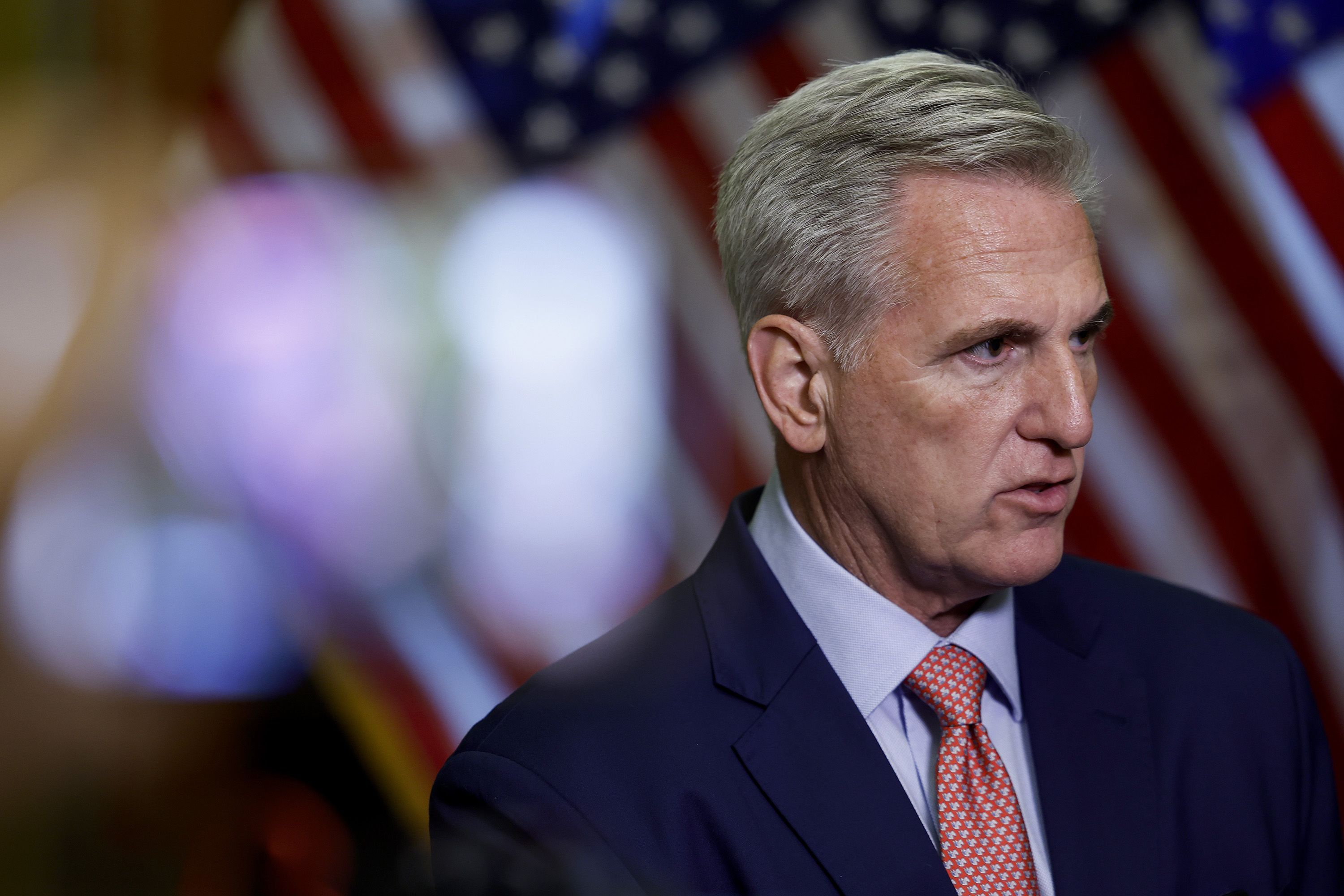
The confrontation centered on a series of subpoenas issued for the “toll records”—or metadata—of former Speaker of the House Kevin McCarthy and several other prominent Republicans. The timing was particularly sensitive, occurring just sixteen days after McCarthy ascended to the speakership, a detail Gil used to paint a picture of a weaponized Department of Justice targeting a political rival.
Gil’s line of questioning was designed for maximum impact, leaning heavily into the optics of “spying” on the leader of the opposition. He challenged Smith on the use of Non-Disclosure Orders (NDOs), which prevented McCarthy and the public from knowing the subpoenas even existed.
The most sensational moment of the exchange came when Gil produced a document where the court found “reasonable grounds to believe” that disclosure would result in “flight from prosecution.” Gil hammered this point home, mockingly asking Smith if he truly believed the Speaker of the House was a flight risk likely to “hop on a plane and leave the country.”
To the casual observer, this sounds like an absurdity—a heavy-handed government agency treating the third in line to the presidency like a common fugitive. But as the layers of the legal argument were peeled back, a much more standard, albeit aggressive, prosecutorial strategy emerged from the shadows of the courtroom.
Jack Smith, remaining characteristically stoic, attempted to explain that the “flight risk” language is often part of a boilerplate set of conditions under 18 US Code Section 2705(B). This statute allows a court to grant an NDO if notification would result in any of five specific adverse consequences, including the destruction of evidence or seriously jeopardizing an investigation.
While Gil focused on the “flight” box, the reality is that prosecutors often check multiple boxes to ensure the integrity of a probe. The fear isn’t necessarily that a high-ranking official will flee to a non-extradition country, but that “tipping off” a person of interest could lead to the immediate “cleaning” of digital footprints and coordinated narratives.
The debate then pivoted to the “Speech or Debate Clause” of the Constitution, which provides members of Congress with a level of immunity for legislative acts. Gil argued that subpoenaing these records was a flagrant violation of this protection, waving an internal email from the Public Integrity Section as “proof” of the DOJ’s awareness of their own overreach.
The email in question noted a “litigation risk” regarding the disclosure of a member’s legislative calls. In the world of high-level law, “litigation risk” is not an admission of a crime; it is a pragmatic assessment of how hard an opponent will fight back in court.
The DOJ’s analysis concluded that since the likelihood of charging these members was low, the risk of a protracted legal battle was minimal—especially if they didn’t know the subpoenas were happening in the first place. This “novel legal theory,” as Gil termed it, is the crux of the current tension between the branches of government.
One must understand what was actually being seized: metadata. These records do not contain the audio of conversations or the text of messages; they show who called whom, when, and for how long. It is the digital equivalent of a phone bill, yet in the context of January 6th, this data is the “blueprint” of the day’s events.
The irony of the situation was not lost on legal analysts. While Republicans argued for the sanctity of their privacy, they were essentially demanding a standard of “courtesy” that no average American would ever receive during a federal criminal investigation.
If a regular citizen is under investigation for a felony, the FBI does not call ahead to ask for permission to check their bank records or phone logs. The element of surprise is a fundamental tool of law enforcement, intended to preserve the truth before it can be edited or deleted by those under the microscope.
The broader implication of this committee clash is the attempt to “criminalize the investigators.” By framing standard, court-approved procedures as “disgraceful” and “scandalous,” critics aim to create a chilling effect that discourages future prosecutors from looking too closely at the political elite.
This isn’t just a squabble over paperwork; it is a battle over the definition of equality under the law. If a “Representative” or “Senator” title acts as an impenetrable shield against the collection of even basic metadata, then the political class has effectively placed itself above the reach of justice.
Representative Gil’s performance was an exercise in narrative building, banking on the public’s lack of familiarity with the nuances of 18 US Code. He transformed a technical legal procedure into a tale of government tyranny, a story that resonates deeply with a base already skeptical of federal institutions.
However, the “flight risk” argument, while effective for a soundbite, falls apart under the scrutiny of actual legal practice. The court orders were signed by judges who found the government’s reasoning compelling enough to bypass the usual notification requirements.
As the 2025 election cycle looms and the echoes of past investigations continue to reverberate, this hearing serves as a stark reminder of what is at stake. The fight is no longer just about what happened on January 6th, but about whether the tools of justice can still function when applied to those who hold the levers of power.
The metadata Smith sought represents a permanent, objective record of a moment in time when the transition of power was in jeopardy. For those who were on the other end of those phone calls, the fear isn’t just about the “process”—it’s about what the records themselves might finally reveal to the world.
Ultimately, the spectacle in the Judiciary Committee was less about the law and more about the fear of transparency. When a politician screams “disgraceful” at a prosecutor, it is often because the investigator has found a way to see past the carefully constructed public image and into the private reality of political maneuvering.
Jack Smith’s investigation may be the most scrutinized in American history, but as this hearing proved, the battle for the truth is being fought one subpoena, one metadata log, and one heated committee hearing at a time. The public is left to decide: is this the “spying” of a rogue state, or the necessary persistence of a system trying to hold itself together?