Minnesota Braces for Rising Threats, Deportation Fears, and Community Outrage in 2026
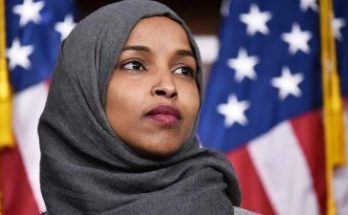
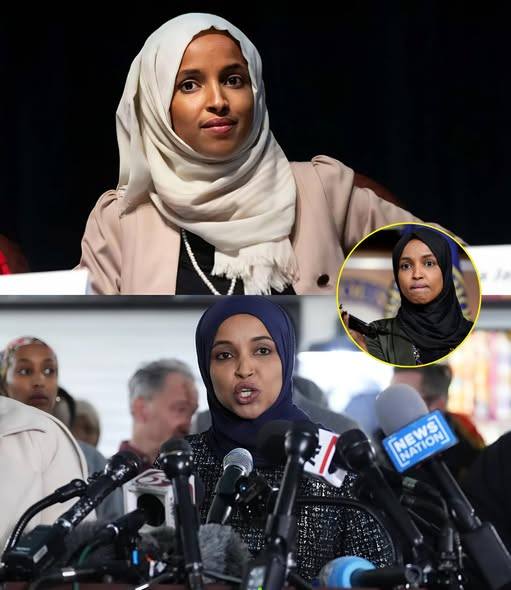
In the heart of Minnesota—home to the largest Somali‑American community in the United States—a political storm is rapidly intensifying. A confluence of federal immigration enforcement, inflammatory rhetoric from national leaders, and real violence has pushed already‑heated tensions toward a breaking point. At the center of it all is Congresswoman Ilhan Omar, a Somali‑born, law‑making representative whose supporters describe as a tireless advocate for her constituents and whose critics have used increasingly harsh language to attack her.
What began as debates over immigration policy has escalated into a situation that has some calling it one of the most dangerous and divisive political moments in recent memory. Omar herself has spoken openly about the threats she has received, describing them as “unprecedented” and saying that her “life is in danger.” In parallel, Minnesota’s Somali community—long one of the state’s most vibrant and engaged populations—is reacting with a mixture of deep fear, fierce pride, and determination, even as rumors of deportation policies swirl and federal enforcement operations continue.
To understand just how volatile this moment is, we must look at how various elements—policy, rhetoric, enforcement, and community response—have interacted to create a deeply charged environment.
A Surge in Enforcement: “Operation Metro Surge” and the Reality on the Ground
In late 2025, the U.S. Department of Homeland Security launched a sweeping enforcement initiative known as Operation Metro Surge, centered in the Minneapolis–Saint Paul metropolitan area and later parts of greater Minnesota. The administration framed this multi‑agency operation as a crackdown on undocumented immigrants and alleged fraud, especially in services claimed to benefit low‑income residents.
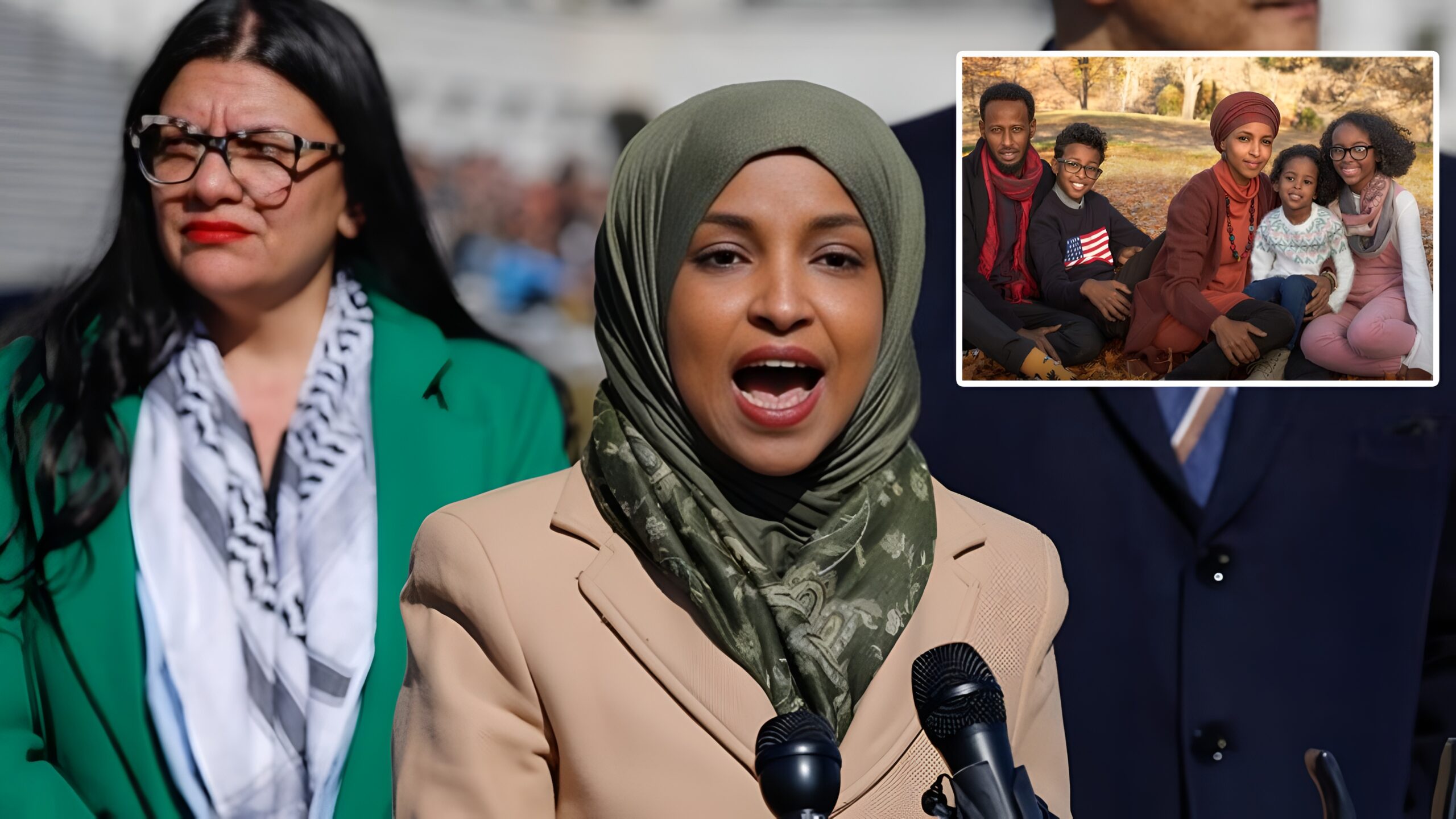
According to official reports, the operation involved at least 2,000 federal immigration agents and resulted in thousands of arrests. But critics have argued that rather than focusing solely on genuine criminal activity, the operation disproportionately targeted Somali communities—leading to widespread mistrust, allegations of racial profiling, and civil liberties concerns.
Several disturbing incidents have brought these fears into stark relief. In January 2026, federal agents shot and killed a U.S. citizen, Renée Good, during an interaction in Minneapolis, prompting outrage from local officials and huge crowds demanding accountability.
Others have reported being wrongfully detained or aggressively confronted by federal officers simply because of their perceived ethnicity or accent. In one incident, a U.S. citizen was detained despite immediately proving his citizenship status, triggering protests and a lawsuit alleging constitutional violations.
The Political Context: Federal Rhetoric and Public Response
Amid this enforcement activity, political rhetoric has taken a highly personal turn. Former President Donald Trump and other federal leaders have repeatedly criticized members of Congress like Omar and characterized Somali immigrants in inflammatory terms. In one widely reported exchange, Trump suggested that Omar and other Muslim lawmakers should be “sent back from where they came,” language that was condemned by civil rights groups as xenophobic and racist.
These comments did more than inflame social media—they coincided with actual threats and violence at community events. In late January 2026, a man sprayed a substance at Omar during a Minneapolis town hall meeting centered on immigration and enforcement issues. Law enforcement arrested the individual, but the incident brought renewed attention to how quickly political speech can translate into real‑world harm.
Omar herself has drawn direct connections between heightened inflammatory rhetoric and increased threats against her and her staff. Local reports indicate that her office has had to implement and consider additional security measures in response to what they call “unprecedented” levels of threats.
Minnesota’s Somali Community: Pride, Fear, and Outrage
Minnesota is home to an estimated 80,000 Somali‑Americans, many of whom are naturalized U.S. citizens or U.S.‑born. This community has deep roots in the state—contributing culturally, economically, and civically. But in recent months, its residents have been subjected to intense scrutiny and enforcement action as part of federal crackdowns linked to incidentally connected welfare fraud investigations.
Outrage over federal actions has been widespread. Community leaders, civil rights advocates, and local officials have condemned both the tactics of enforcement and the broader portrayal of Somali residents as criminals or threats. Some have accused federal agents of targeting individuals without due cause, detaining lawful residents, and using aggressive tactics that harm families and undermine community trust.
Civil rights organizations, including the ACLU, have filed lawsuits alleging racial profiling and unconstitutional stops by ICE and DHS agents, saying that Somali and Latino residents were singled out based on appearance rather than evidence or individualized suspicion.
With federal rhetoric occasionally framing Somalis and other immigrants in starkly negative terms, leaders in Minnesota’s Somali community have spoken out—strongly rejecting notions that they are less American or less deserving of rights. “We are part of this state,” community representatives have said. “We are not going anywhere.”
Ilhan Omar’s Stand: Defending Community and Calling for Accountability
Against this backdrop, Congresswoman Omar has been an outspoken critic of federal enforcement tactics and what she calls discriminatory rhetoric. Long known for her advocacy on immigration and civil rights, Omar has leveraged her platform to press for transparency, accountability, and protections for immigrant communities. In December 2025, she led members of Congress in demanding answers about racial profiling and the raids in Minnesota, highlighting alleged civil rights violations and calling for a full investigation.
She also criticized the administration’s threat to terminate Temporary Protected Status (TPS) for Somali nationals—a status that had been in place due to continued instability in Somalia since the early 1990s.—a move that would affect thousands of families legally residing in the U.S.
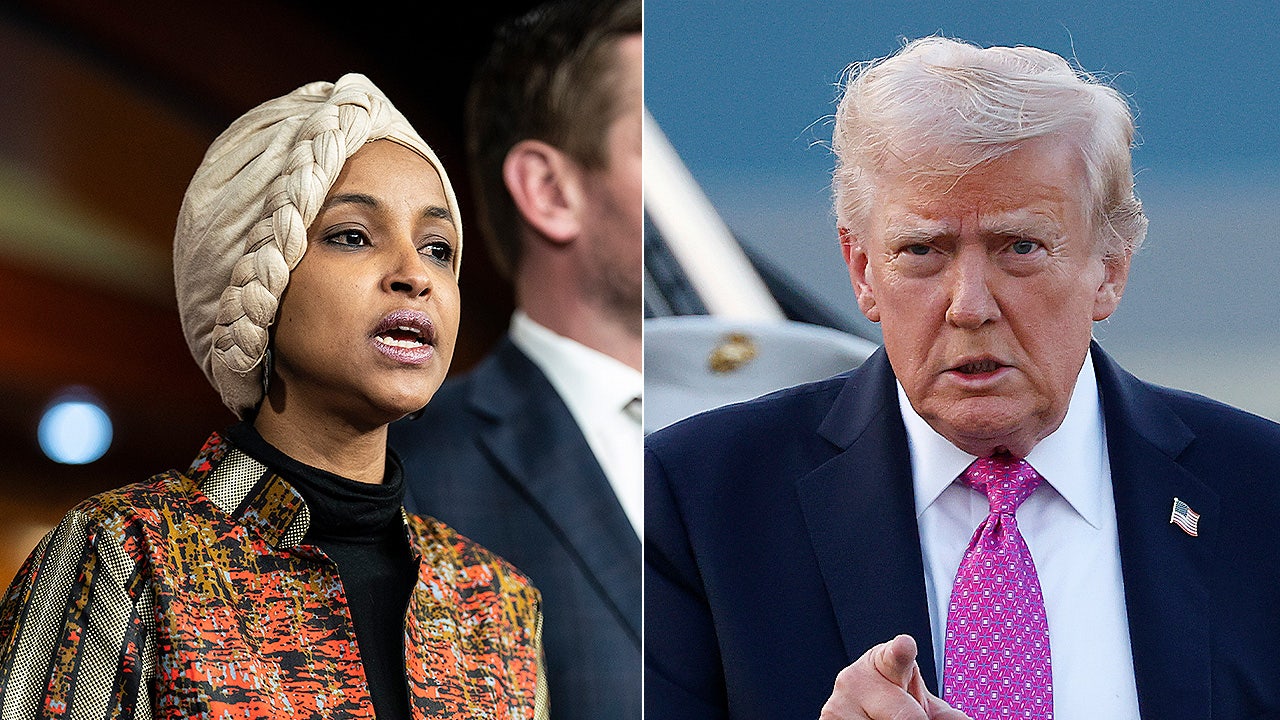
Omar’s advocacy has been met with both praise and sharp criticism. Supporters view her as a courageous defender of her constituents who is willing to confront federal power. Critics, however, have seized on her policy disagreements as fuel for partisan attacks—which have sometimes crossed into threats and harassment.
A Rising Threat Environment: Security Concerns and Public Safety
Omar’s own statements about danger to her life reflect a broader concern among lawmakers facing political polarization and heightened threats. According to congressional security assessments, threats and concerning statements directed against members of Congress have been on the rise, encompassing violent rhetoric, harassment, and intimidation.
This climate has forced many representatives, particularly those who are outspoken or from marginalized communities, to reassess their security arrangements. Omar’s team has reportedly been considering additional measures as threats surge—a reality no longer theoretical but grounded in recent violent incidents and alarming exchanges in public forums.
Fear and Hope: What Minnesota Faces Next
What is unfolding in Minnesota is more than a localized dispute—it is symptomatic of larger national divides over immigration, identity, public safety, and political discourse. Residents in the state are grappling with:
-
Heightened federal enforcement and visible ICE presence that has disrupted daily life and provoked protests and civil suits;
-
Political rhetoric that has linked immigration debates to personal attacks on public figures;
-
Real incidents of violence and harassment linked in part to polarizing national narratives;
-
Community outrage and advocacy for civil rights and dignity amidst fears of deportation, profiling, and scapegoating.
For many Somali‑Americans and other immigrant communities, the political and enforcement environment has caused fear—but also a renewed sense of solidarity. Leaders emphasize their contributions to the state’s cultural fabric, economy, and civic life, and residents have mobilized to protect their rights and push back against policies they see as discriminatory.
Conclusion: A Nation at a Crossroads
The situation unfolding in Minnesota and surrounding Ilhan Omar is emblematic of broader struggles in American society. It forces the nation to grapple with the balance between law enforcement and civil liberties, between free political expression and tribal social rhetoric, and between national security and human dignity.
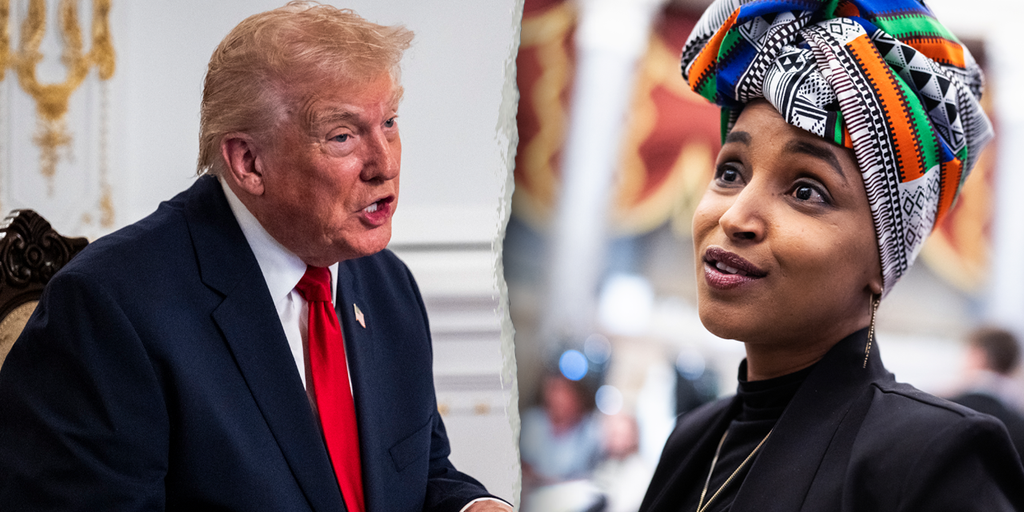
As threats rise and political divisions deepen, one thing remains clear: the debates over immigration, identity, and belonging are no longer abstract. They are playing out in town halls, in the streets, in federal buildings, and in the hearts of communities who have lived the American dream—and who fear it may slip further from reach.
In these challenging times, Minnesota’s Somali community—and leaders like Omar—will continue to be on the front lines of a conversation that goes far beyond state borders. How America responds will shape not only policy but the very definition of who belongs in this nation and how citizens, foreign‑born or native born, can live free from fear and with dignity.